Search This Blog

Noble Gold

NATIONAL DEBT CLOCK

Real Time US National Debt Clock | USA Debt Clock.com


United States National Debt  
United States National Debt Per Person  
United States National Debt Per Household  
Total US Unfunded Liabilities  
Social Security Unfunded Liability  
Medicare Unfunded Liability  
Prescription Drug Unfunded Liability  
National Healthcare Unfunded Liability  
Total US Unfunded Liabilities Per Person  
Total US Unfunded Liabilities Per Household  
United States Population  
Share this site:

Copyright 1987-2024

(last updated 2024-08-09/Close of previous day debt was $35123327978028.47 )

Market Indices

Market News

Stocks HeatMap

Crypto Coins HeatMap

The Weather

Conservative News

powered by Surfing Waves

4/27/25

Foreign Money and Politics


Foreign Money and Politics

For you Democrat's that are GEOGRAPHICALLY CHALLENGED, Elon Musk's companies are in the USA - Specifically TEXAS. TEXAS is part of the USA. TEXAS is NOT in South Africa. If you don’t believe me ASK GOOGLE. Money from TEXAS is NOT foreign money.

The same people who complain about Musk never complain about Turkish born George Soros money. Kamala Harris was George Soros donor/recipient #1. And she wrote Prop 47 that allowed the $950 Smash and grab that California had to override with Prop 36 I'm 2024 to stop Prop 47. No one cried over Soros money funding all these MISFIT FAKE DA'S - ALL BLACK WHO HATE TRUMP. Now they are mad at the AFRICAN AMERICAN who is trying to straighten out the hot mess and trying to save us some money. They should ask Soros for money to travel to El Salvador and sip Margaritas with ILLEGALS instead of using tax dollars.

I can't believe you have to explain this to DEMOCRATS in the USA on a Sunday morning.

Foreign Money and Politics: A Closer Look at Elon Musk, George Soros, and Hypocrisy in Political Donations  

In recent political discourse, accusations of "foreign influence" in American elections have become a common rallying cry. However, these claims often ignore critical context—specifically, the origin of the money in question and the selective outrage surrounding certain donors. A recent social media post highlights this double standard by comparing Elon Musk, an American entrepreneur whose businesses are based in Texas, to George Soros, a Hungarian-born billionaire who has donated extensively to progressive causes.  

The post rightly points out the absurdity of labeling Musk's contributions as "foreign money" while ignoring Soros's political spending. This article will examine the facts behind these claims, explore the influence of both billionaires in U.S. politics, and analyze the broader implications of partisan hypocrisy in campaign finance debates.  

Elon Musk’s Money: American, Not Foreign  

One of the most glaring errors in the "foreign money" narrative is the claim that Elon Musk's political donations constitute foreign interference. Musk, though born in South Africa, is a naturalized U.S. citizen. His companies—Tesla, SpaceX, The Boring Company, and Neuralink—are headquartered in Texas, a state firmly within the United States. Money generated and donated from these businesses is American money, not foreign.  

Yet, some Democrats have attempted to frame Musk’s financial influence as somehow illegitimate, despite the fact that:  

- He pays U.S. taxes.  

- His companies employ thousands of Americans.  

- His political donations comply with U.S. campaign finance laws.  

This stands in stark contrast to the treatment of George Soros, whose donations—while legal—have drawn far less scrutiny from the left despite his foreign origins and global financial influence.  

George Soros: The Foreign Billionaire Funding Progressive Causes  

George Soros, born in Hungary, is one of the most prolific political donors in modern history. Unlike Musk, Soros was not born in the U.S. and made his fortune through international finance. Yet, his Open Society Foundations and direct political contributions have heavily influenced American politics, particularly in:  

- Progressive District Attorney Races – Soros has funded numerous "soft-on-crime" prosecutors, leading to controversial policies like California’s Prop 47, which downgraded many theft and drug offenses to misdemeanors.  

- Kamala Harris’s Career – Before becoming Vice President, Harris received significant support from Soros-backed groups. She also authored Prop 47, which critics blame for the rise in smash-and-grab thefts (where criminals could steal up to $950 without facing felony charges).  

- Immigration Activism – Soros-funded groups have pushed for sanctuary city policies and opposed stricter border controls.  

Despite this well-documented influence, many Democrats remain silent on Soros’s foreign ties while attacking Musk—an American citizen—for his political spending.  

The Hypocrisy in Political Outrage  

The double standard here is impossible to ignore:  

- If a conservative-leaning billionaire (like Musk) donates, it’s "foreign interference."  

- If a progressive-leaning billionaire (like Soros) donates, it’s "philanthropy."  

This selective outrage reveals a deeper issue in American politics: partisan bias in campaign finance criticism. Those who scream about "dark money" in politics suddenly go quiet when the money flows to their side.  

Case Study: Kamala Harris and Prop 47  

Kamala Harris, now Vice President, played a key role in California’s criminal justice reforms. Prop 47, which she supported, led to:  

- A surge in organized retail theft (due to the $950 felony threshold).  

- Overburdened police who could no longer prosecute many theft cases effectively.  

- A public backlash so severe that Prop 36 (2024) had to amend the law to restore stricter penalties.  

Yet, despite Soros’s financial backing of Harris and similar prosecutors, there has been no major Democratic effort to restrict his influence.  

The Real Issue: Political Influence, Not Nationality  

The core debate shouldn’t be about where a billionaire was born but rather:  

1. Are their donations transparent?  

2. Do their policies help or harm Americans?  

3. Is there consistency in how we critique political spending?  

Musk’s donations come from U.S.-based businesses and go toward candidates who support free speech, innovation, and economic growth. Soros’s donations, meanwhile, often fund progressive prosecutors who refuse to enforce certain laws, contributing to rising crime in cities like San Francisco, Los Angeles, and Chicago.  

If Democrats truly cared about "foreign money," they’d apply the same scrutiny to Soros as they do to Musk. But they don’t—because the issue was never about foreign influence. It’s about silencing opposition.  

Conclusion: A Call for Fairness in Political Finance Debates  

The hypocrisy in the "foreign money" argument is glaring. Elon Musk is an American entrepreneur whose political contributions come from American companies. George Soros, while legally allowed to donate, is a foreign-born billionaire whose spending has reshaped U.S. criminal justice policies—often with disastrous results.  

If Democrats want to have an honest debate about money in politics, they should start by holding **their own donors** to the same standard they demand of conservatives. Until then, their accusations of "foreign influence" ring hollow—just another partisan weapon rather than a genuine concern for democracy.  

Final Thought:  

Instead of complaining about Musk’s American-made money, maybe Democrats should ask why Soros-funded policies have made cities less safe—and why they’re okay with that.

#Musk #Elon #ElonMusk #Soros #GeorgeSoros #DarkMoney

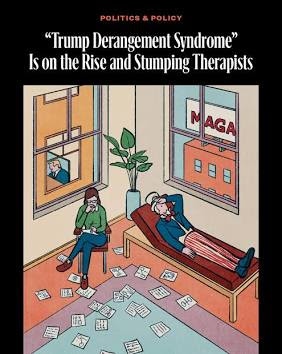
Trump Derangement Syndrome in Effect


 I Thought This Was A Joke! Apparently The Struggle Is REAL!!! 

"GET OVER IT!" 

~ The Eagles


Trump Derangement Syndrome in Effect

Economy:

Trump said he would lower prices "On Day One". If you are an adult, you should know that was 'Trump Talk'. He started working on it on Day One. FIGURE IT OUT.

Immigration:

They were okay with 12 Million Illegals coming in, but upset because ONE(1) got sent back. And they are mad over a Judge getting arrested for trying to help ONE(1) not get sent back.

Foreign Policy:

They want a CEASE FIRE. Trump is trying to get a CEASE FIRE. However, they hate Trump so much they won't tell HAMAS to simply stop killing or trying to kill Jews.

Domestic Policy:

Democrats believe helping you keep more of your own money, low grade education, high crime, eliminating the 1st and 2nd Amendments, and teaching 3 to 5 year Olds how to masterbate is good.

Energy Policy:

Depend on countries that hate us for OUR Energy. Eliminate jobs in the US claiming to save the environment while the people that hate us are DRILLING and SELLING.

Health Policy:

Democrats don't care what's in the food. They want you sick. They want you to need the PILLS. That is how they get the BIG PHARMA MONEY. They want the INFERTILITY that Bill Gates promotes.

Education:

If the public is dumbed down, they won't think for themselves, then you can convince them of anything.


MN lawmakers want to define 'Trump derangement syndrome' as a mental illness

#TrumpDerangementSyndrome #TDS #Trump #Democrats

This Is What Want You To Think

"There is no serious legislative effort to classify "Trump Derangement Syndrome" (TDS) as an official mental illness. The idea is largely a satirical or exaggerated claim circulated in conservative media and online discussions, often used to mock critics of Donald Trump.  

Why the Myth Exists:  

1. Political Rhetoric & Hyperbole – Some Trump supporters use the term TDS to suggest that opposition to Trump is so irrational it could be considered a psychological disorder. This is not a medical argument but a political jab.  

2. Misinterpretation or Jokes Taken Seriously – Satirical articles or social media posts may have humorously suggested classifying TDS as a mental illness, leading some to believe it was a real proposal.  

3. Comparison to Real Mental Health Discussions – Some conservatives have pointed to cases where Trump opponents exhibit extreme emotional reactions (e.g., public meltdowns, exaggerated doomsday predictions) as evidence of irrational hatred, but this is not a clinical diagnosis.  

Reality Check:  

- The American Psychiatric Association (APA) and World Health Organization (WHO) do not recognize TDS as a mental disorder.  

- Legislatures have no authority to declare new mental illnesses—that’s the role of medical professionals.  

- The Goldwater Rule (an APA ethics guideline) prohibits psychiatrists from diagnosing public figures they haven’t personally evaluated, making any "official" classification of TDS impossible under current standards.  

Where This Idea Spreads:  

- Conservative commentators (e.g., Ben Shapiro, Sean Hannity) have used TDS as a talking point.  

- Social media memes exaggerate the idea as a way to troll liberals.  

- Satirical websites sometimes publish fake stories about TDS being recognized as a disorder, which some people mistakenly believe.  

Bottom Line:  

"Trump Derangement Syndrome" is a political insult, not a real medical condition. While some lawmakers or media figures might joke about it, there is no legitimate movement to classify it as an official mental illness.  


The Upside Down Situation of The Arrest of a Milwaukee Judge


OPINION/COMMENTARY

The Upside Down Situation of The Arrest of a Milwaukee Judge

Help me understand this situation. A Judge in Milwaukee was arrested for trying to help an ILLEGAL, who beat a Woman, sneak out of the Jury exit to avoid arrest by I.C.E.

The Milwaukee Mayor gave a press conference about the arrest. He and every other Democrat is against the arrest. He was asked if he had spoken to the Domestic Violence Victim. He said he had not, and in the same sentence he basically said 'I'm not worried about that right now'. He kept using the phrase "Less Safe", "Less Safe", "Less Safe". In other words he is saying that if a member of the legal system is arrested it will discourage others from participating in the legal system. That is the sentiment of all Democrats. Normal people feel removing an ILLEGAL who commits DOMESTIC VIOLENCE from the country, and arresting the Judge who tries to help him avoid arrest make the community MORE SAFE.

DEMOCRATS do NOT care about YOU unless they can use YOU as a PAWN. If you are a Woman and you are raped, beaten, robbed, killes, or attacked by an ILLEGAL YOU are not the priority. They probably, as we have seen, won't even mention YOUR NAME. And if you ask them to YOU are a RACIST. or in my case, I'm a BIGOT.

For those of you who still wonder why a Black Man won't vote for any Democrat on any level, I try to give you at least ONE(1) reason ... EVERY FREAKING DAY.

DEFUNDING THE POLICE MAKES THE COMMUNITY "LESS SAFE". However, to the average Democrat, having less Police, more DEMOCRAT, and crooked Judges makes the community MORE SAFE. HUH?!?!

#Judge #Milwaukee #Arrest #Migration #Illegal

4/26/25

What Is Meant By and The Importance of "Elements of a Crime" In Regards to Criminal law and Getting a Conviction In a Court of Law?


What Is Meant By and The Importance of "Elements of a Crime" In Regards to Criminal law and Getting a Conviction In a Court of Law?

In criminal law, the "elements of a crime" are the fundamental components that the prosecution must prove beyond a reasonable doubt to secure a conviction. These elements vary depending on the crime but generally include:

Key Elements of a Crime:

1. Actus Reus (Guilty Act) – The physical act or unlawful omission that constitutes the crime.

2. Mens Rea (Guilty Mind) – The defendant's criminal intent or mental state at the time of the act.

3. Concurrence – The requirement that the guilty act and guilty mind must occur together.

4. Causation – Proof that the defendant's actions caused the harm or illegal result.

5. Harm (Result) – The injury or damage resulting from the crime (required for certain offenses).

Importance in Criminal Law & Convictions:

1. Ensures Fair Prosecution – The prosecution must prove every element; missing even one can lead to acquittal.

2. Prevents Wrongful Convictions – Protects individuals from being punished without sufficient evidence.

3. Defines Criminal Liability – Differentiates between intentional, reckless, and negligent acts.

4. Basis for Legal Defenses – Defendants can challenge whether the prosecution has sufficiently proven each element.

5. Guides Jury Instructions – Judges explain these elements to juries to determine guilt or innocence.

Example: Murder vs. Manslaughter

- Murder requires 'malice aforethought' (intent to kill or extreme recklessness).

- Manslaughter may involve unlawful killing *without* premeditation.

If the prosecution fails to prove **any** element (e.g., lack of intent in a murder case), the defendant cannot be convicted of that crime. Thus, understanding and applying the elements of a crime is **essential** for justice and due process.

#Crime #Criminal #criminally #justice #elementsofacrime #criminaljustice


Why Do People from the Same Country Share an Accent, Regardless of Race?


Why Do People from the Same Country Share an Accent, Regardless of Race?  

Introduction  

Have you ever noticed how people from the same country often sound alike, no matter their racial or ethnic background? For example, British people—whether Black, White, South Asian, or mixed-race—often share similar accents when speaking English. Meanwhile, in the U.S., accents vary wildly by region, sometimes making it hard to believe two speakers are from the same country. A White man from North Carolina might sound completely different from a Black man from New York or a Latino from Texas. And don’t even get me started on the thick, almost foreign-sounding drawls of Cajun Country!  

So why does this happen? Why do some countries have a dominant accent that transcends race, while others (like the U.S.) have such strong regional variations? The answer lies in history, social dynamics, colonization, and how language evolves.  

The British Case: A Unified Accent Despite Diversity  

When watching British TV shows—like 'The Cleaner, which my Daughter Hannah enjoys—you might notice that most British people, regardless of race, speak with a similar accent. A Black Londoner, a White Yorkshireman, and a British-Indian from Birmingham might all sound distinctly "British" in their own ways, yet their accents are more tied to their region than their racial background.  

Why?  

1. The Influence of Received Pronunciation (RP)  

   - Historically, the British upper class (and later, the BBC) promoted 'Received Pronunciation' (RP), also known as "the Queen’s English." This accent became the standard for education, media, and prestige.  

   - Even as Britain became more diverse, immigrants and their children often adopted local accents to assimilate. A second-generation Nigerian-British kid in London will likely speak with a London accent, not a Nigerian one.  

2. Strong Regional Identity Over Racial Identity  

   - In the UK, where you’re from (London, Liverpool, Glasgow) often matters more than your racial background in determining your accent.  

   - Unlike the U.S., where racial segregation historically influenced dialect (e.g., African American Vernacular English), Britain’s smaller size and more centralized media led to more uniform speech patterns.  

3. Colonial Legacy  

   - Many non-White Brits are descendants of immigrants from former colonies (Jamaica, India, Nigeria). Their parents or grandparents may have arrived speaking different languages or dialects, but the next generation grew up immersed in British English.  

The American Exception: A Patchwork of Accents  

Now, contrast that with the U.S., where accents vary dramatically' by region—sometimes even within the same state. A Black man from Atlanta, a White woman from Boston, and a Latino from Los Angeles will all sound completely different.  

Why?  

1. The U.S. is Massive and Geographically Diverse  

   - The U.S. spans thousands of miles, with isolated communities developing their own dialects over centuries.  

   - Compare a New Yorker’s rapid, clipped speech to a Texan’s slow drawl—these differences come from settlement patterns, immigration waves, and geographic isolation.  

2. Historical Segregation Played a Role  

   - Due to slavery and Jim Crow, Black Americans in the South developed distinct speech patterns (AAVE) that differ from White Southern dialects.  

   - Meanwhile, Cajun English in Louisiana comes from French-speaking Acadians mixing with English settlers, creating a unique accent.  

3. Immigrant Communities Retained Their Influences  

   - In cities like New York, Italian, Irish, and Jewish immigrants shaped the local accent.  

   - In Miami, Cuban Spanish heavily influences the English spoken there.  

Why Don’t Race and Accent Always Align?  

This brings us to the core question: Why do some countries have accents tied to region rather than race, while others don’t?  

1. Time and Assimilation  

   - In Britain, many non-White communities have been present for generations, leading to full linguistic assimilation.  

   - In the U.S., racial segregation meant that some groups (like Black Americans) developed their own linguistic norms separate from White communities.  

2. Media Influence  

   - Countries with strong national broadcasters (like the BBC) tend to have more standardized accents.  

   - The U.S. has always had regional media, allowing accents to stay distinct.  

3. Colonial vs. Immigrant Societies  

   - Former colonial powers (Britain, France) often have dominant accents because the colonized populations adopted the colonizer’s language fully.  

   - Immigrant-heavy nations (U.S., Canada, Australia) have more variation because different groups brought their own linguistic flavors.  

The Cajun Example: When an Accent Sounds "Foreign" Even in the Same Country  

The original post mentions Cajun Country—and it’s a perfect example of how isolation creates unique accents. Cajun English, spoken in Louisiana, is heavily influenced by French, making it almost unintelligible to outsiders. This happened because:  

- The Acadians (French settlers) were isolated in swamps for generations.  

- Their language mixed with English but retained French rhythms and words.  

Similarly, Appalachian English and Boston’s "Pahk the cah" accent developed due to historical isolation.  

Conclusion: Accents Reflect History More Than Biology  

At the end of the day, accents aren’t about race—they’re about who you grew up around, what media you consumed, and how your community historically interacted with language.  

- In Britain, a shared national identity and media led to accents being more about region than race.  

- In the U.S., vast geography, segregation, and immigrant influences created a mosaic of dialects.  

- And in places like Cajun Country, isolation birthed an accent so distinct it sounds like another language.  

So next time you hear a British person of any race sounding "the same," or a Southern American making you do a double-take, remember: Accents tell the story of a people—where they’ve been, who they’ve lived with, and how history shaped their speech.  

Final Thought  

Maybe the real question isn’t 'why' Brits sound alike regardless of race, but why Americans sound 'so different' from each other. And the answer? America’s messy, diverse, complicated history—just like its accents.

#Language #accents #speech #natiionality #race

What is FASCISM and How It Compares To The Democratic Party


FASCISM - The LEFT'S/DEMOCRATS New Sexy Word of The Day:

Everyone on the LEFT is crying FASCISM. They are the Fascist and they are GASLIGHTING their LOW INFORMATION Constituents.

The simple text book definition of FASCISM is basically this: 'You own it, and the Government tells you how to run it.' 

Examples:

Democrats tell Whirlpool what kind of appliances to make

Democrats tell Maytag what kind of appliances to make

Democrats tell GE what kind of light bulbs to make

Democrats tell Kohler what kind of Toilets to make

Democrats mandated car companies to make EVs no one wants

Democrats want to tell Farmers how to farm

Democrats want to tell Police how to Police

Democrats want to tell oil companies where to drill

Democrats think they know more about fighting endless wars than the military knows how to end them

Clinton thought he knew more about mortgages than the mortgage industry which led to the housing bust

Obama thought he knew more about medical insurance than the medical insurance industry, now the medical industry is in shambles and Democrats have people thinking they know better about Healthcare ... people are stupid

FASCISM - You own it and the Government tells you how to run it.


More Academia on FASCISM -YOU DECIDE

Fascism is an authoritarian, far-right political ideology characterized by dictatorial power, extreme nationalism, suppression of opposition, and often racist or militaristic policies. It emphasizes the supremacy of the state or a particular ethnic group, rejects liberal democracy, and typically promotes aggressive expansionism. Historical examples include Mussolini's Italy and Nazi Germany.

Comparing the modern Democratic Party to Nazi Germany or Fascist Italy is a highly contentious and often politically charged claim, typically made by critics on the far right. While there are legitimate debates about policies, civil liberties, and government overreach in any democracy, equating mainstream U.S. political parties with historical fascist regimes is an extreme exaggeration that ignores key ideological and historical differences.  


That said, some critics argue that certain 'rhetorical' or 'policy' trends in the Democratic Party (or the progressive left more broadly) bear superficial resemblance to fascist tactics, including:  

1. Nationalism vs. Progressive "Collectivism"  

   - Fascism: Extreme nationalism, often tied to racial or ethnic supremacy (e.g., Nazi Germany’s Aryan ideology).  

 - Democratic Party: While the left emphasizes social justice and equity, it does not promote ethnic nationalism. However, some critics argue that "woke" ideology enforces a form of 'cultural conformity' that resembles authoritarian thought control.  

2. Media and Propaganda  

   - Fascism: State-controlled media, suppression of dissent (e.g., Mussolini’s press censorship, Nazi propaganda).  

   - Democratic Party: No state-controlled media exists in the U.S., but some conservatives argue that liberal bias in tech companies (e.g., social media moderation) and mainstream media amounts to "censorship."  

3. Corporate-State Collaboration  

   - Fascism: Mussolini’s corporatist model merged big business with government control.  

   - Democratic Party: Some progressive policies (e.g., green energy subsidies, big tech alliances) are seen by critics as a form of crony capitalism where government and corporations work closely together.  


4. Use of Fear and Crisis to Expand Power  

   - Fascism: Nazis used crises (e.g., Reichstag fire) to justify emergency powers.  

   - Democratic Party: Critics argue that responses to COVID-19 (lockdowns, mandates) or climate change policies resemble authoritarian overreach, though these were temporary public health measures, not ideological power grabs.  

5. Identity Politics and "Enemy" Rhetoric  

   - Fascism: Nazis scapegoated Jews, communists, and minorities.  

   - Democratic Party: Some on the left frame political opponents (e.g., "MAGA extremists") as existential threats, which critics compare to demonization tactics—though without state violence.  


Key Differences:  

- Democracy vs. Dictatorship: The Democratic Party operates within a democratic system, unlike fascist regimes.  

- No Cult of Personality: Unlike Hitler or Mussolini, Democratic leaders are not worshipped as infallible figures.  

- No Militarized Expansionism: The U.S. is not pursuing aggressive territorial conquest like fascist states did.  

Conclusion  

While some 'tactics' (rhetorical demonization, crisis-driven policies) might draw comparisons from critics, the Democratic Party is not fascist in ideology or practice. Fascism requires the abolition of democracy, violent suppression of dissent, and ultranationalist militarism—none of which apply to the modern U.S. left.  

#Left #Progressive #Progressives #Politics #Democrats #Nazi #Nazis #Fascism #Fascists #Fascist


The Choctaw Nation’s compassionate act during the Irish famine in 1847

 A Piece of History


"The Choctaw Nation’s compassionate act during the Irish famine in 1847 left a lasting impact. Despite their own struggles, Choctaw individuals donated to aid the starving Irish. This remarkable gesture exemplified their cultural values of empathy and generosity. In recent years, the Irish have reciprocated by commemorating the Choctaws’ kindness, completing a circle of compassion between the two nations."

The Circle of Compassion: How the Choctaw Nation and Ireland Forged an Unlikely Bond  

Introduction  

In 1847, as Ireland suffered through the devastating Great Famine, an extraordinary act of kindness emerged from an unexpected source—the Choctaw Nation. Despite enduring their own hardships, including forced removal from their ancestral lands, the Choctaw people raised funds to aid starving Irish families. This remarkable gesture, rooted in deep cultural values of empathy and generosity, created a lasting bond between two nations separated by an ocean. In recent years, Ireland has honored this historic act, completing a circle of compassion that continues to inspire.  

The Choctaw Nation’s Struggle  

To fully appreciate the significance of the Choctaw donation, one must understand the suffering the tribe itself had endured. In the 1830s, the U.S. government forcibly relocated the Choctaw people from their homelands in Mississippi to present-day Oklahoma in what became known as the 'Trail of Tears'. Thousands perished due to disease, starvation, and exposure during this brutal journey.  

By 1847, the Choctaw Nation was still rebuilding, facing economic hardship and the ongoing challenges of resettlement. Yet, when news of Ireland’s famine reached them, they chose to help.  

Ireland’s Great Famine (1845–1852)  

The Great Famine, or 'An Gorta Mór', was one of the darkest periods in Irish history. A potato blight destroyed the primary food source for millions, leading to mass starvation and disease. Over a million people died, and another million fled as refugees. The British government’s inadequate response worsened the crisis, leaving many Irish citizens desperate for aid.  

When reports of the famine spread internationally, donations came from around the world—but none were as unexpected or poignant as the contribution from the Choctaw Nation.  

The Choctaw’s Gift: $170 of Compassion  

In 1847, a group of Choctaw individuals gathered in Skullyville, Oklahoma, and pooled their resources to send $170 (equivalent to thousands today) to Irish famine relief. The donation was remarkable not only because of the Choctaw’s own struggles but also because it exemplified their cultural values:  

- Ikkvchi (Kindness) – A core Choctaw principle emphasizing compassion for others.  

- Hashukmikma (Sharing) – The belief that those who have must help those in need.  

This act of generosity resonated deeply in Ireland, even if it could not alleviate the full scale of the suffering.  

A Bond Remembered: Ireland’s Reciprocal Gestures  

For decades, the Choctaw’s gift remained a little-known historical footnote. However, in recent years, Ireland has made efforts to honor this act of kindness, strengthening the connection between the two nations.  

1. The Kindred Spirits Sculpture (2017)  

   In County Cork, a stunning stainless steel sculpture titled 'Kindred Spirits' was erected to commemorate the Choctaw’s generosity. Its design, featuring nine eagle feathers in a bowl shape, symbolizes the bond between the two cultures.  

2. Choctaw-Ireland Scholarship Program  

   In 2018, Ireland launched a scholarship program allowing Choctaw students to study in Irish universities, further cementing the relationship.  

3. Donations During the COVID-19 Pandemic  

   In 2020, when the Navajo and Hopi Nations faced severe COVID-19 outbreaks, Irish citizens donated over $1.8 million in a campaign titled “Ireland Pays It Forward,” citing the Choctaw’s 1847 gift as inspiration.  

Why This Story Matters Today  

The Choctaw-Ireland story is more than a historical anecdote—it is a powerful lesson in empathy across cultures. In a world often divided by borders and conflicts, this act reminds us that:  

- Generosity transcends suffering – Even those facing hardship can offer help to others.  

- Kindness is never forgotten – Good deeds resonate across generations.  

- Solidarity is universal – Two nations, with no prior connection, found common humanity in shared pain.  

Conclusion

The Choctaw Nation’s donation during the Irish famine was a small act with an immeasurable legacy. Today, as Ireland continues to honor this gesture, the circle of compassion grows stronger. Their story teaches us that empathy knows no boundaries—and that even in the darkest times, kindness can create enduring bonds.  

As we reflect on this remarkable chapter in history, we are reminded that the best of humanity often shines through in moments of shared struggle. The Choctaw and Irish peoples, once strangers, are now forever linked by an act of selfless generosity that continues to inspire the world.  

#Choctaw #Irish #Famine #NativeAmerican #Indian #Ireland

Sperm racing? A new sport is coming to Los Angeles


Sperm racing? A new sport is coming to Los Angeles


#sperm #spermracing #men #birthrate #fertility  #health #menshealth

4/25/25

The Hidden Dangers of Petroleum-Based Food Dyes: Why We Don’t Need Color in Our Food That Badly


"I had a co-worker get a stomach ache one day. He ate a bag of Gummy Bears. I think he ate 2 bags. So, I was curious. I went to the break room and bought a bag just to read the ingredients. I saw Red Dye 3, Green Dye This, Blue Dye That. Then I looked those up. This was about 4 years ago. Come to find out those DYES are derived from PETROLEUM sources. That should NOT be in our food. We don't need color in food that bad."

The Hidden Dangers of Petroleum-Based Food Dyes: Why We Don’t Need Color in Our Food That Badly  

Introduction  

A few years ago, a coworker of mine complained of a stomach ache after eating two bags of gummy bears. Curious, I went to the break room, bought a bag, and read the ingredients. What I found was shocking: Red Dye 3, Green Dye, Blue Dye—all derived from petroleum. That’s right—the same substance used to make gasoline, asphalt, and plastic is also in our food.  

This discovery led me down a rabbit hole of research, and what I learned was alarming. These artificial dyes, added solely for visual appeal, may pose serious health risks. The question is: Why are we putting petroleum in our food just to make it look more colorful? 


What Are Artificial Food Dyes?  

Artificial food dyes are synthetic chemicals used to enhance or alter the color of processed foods. They’re found in candies, sodas, cereals, baked goods, and even some medications. The most common ones include:  

- Red Dye 40 (Allura Red)  

- Red Dye 3 (Erythrosine)  

- Yellow Dye 5 (Tartrazine) & Yellow Dye 6 (Sunset Yellow)  

- Blue Dye 1 (Brilliant Blue) & Blue Dye 2 (Indigo Carmine)  

- Green Dye (A combination of Blue and Yellow dyes)  

Many of these dyes are derived from coal tar or petroleum byproducts, meaning they are not natural food substances but rather industrial chemicals repurposed for consumption.  

The Petroleum Connection: Why Is This Allowed?  

It sounds absurd—why would regulators allow petroleum-based chemicals in food? The answer lies in history and industry influence.  

- Early Use: Synthetic dyes were first developed in the late 1800s as cheap, vibrant alternatives to natural colorings (like beet juice or turmeric).  

- FDA Approval: Many dyes were grandfathered in under outdated safety standards. For example, Red Dye 3 was approved in the early 20th century despite later evidence of potential harm.  

- Industry Lobbying: Food manufacturers argue that artificial dyes are necessary for consumer appeal, even as natural alternatives exist.  

Health Risks of Artificial Food Dyes  

Multiple studies have linked artificial food dyes to various health issues, including:  

1. Hyperactivity & Behavioral Problems in Children  

- A landmark 2007 study by the UK’s Southampton University found that artificial dyes (along with the preservative sodium benzoate) increased hyperactivity in children.  

- As a result, the European Union (EU) mandated warning labels on foods containing these dyes, stating: "May have an adverse effect on activity and attention in children."  

- However, the U.S. has not followed suit, despite petitions from consumer advocacy groups.  

2. Cancer Risks (Especially Red Dye 3)  

- Red Dye 3 (Erythrosine) has been shown to cause thyroid tumors in animal studies.  

- In 1990, the FDA banned its use in cosmetics due to cancer concerns—but it remains legal in food.  

- The Center for Science in the Public Interest (CSPI) has repeatedly called for its ban, yet it’s still found in candies, maraschino cherries, and some processed snacks.  

3. Allergic Reactions & Digestive Issues 

- Some people experience migraines, skin rashes, or stomach aches after consuming artificial dyes.  

- My coworker’s stomach pain after eating gummy bears may have been a reaction to these synthetic additives.  

4. Potential Long-Term Effects  

- While more research is needed, some scientists worry about cumulative exposure, especially in children who consume large amounts of dyed foods.  

Why Are These Dyes Still Used?  

If these dyes pose risks, why are they still in our food?  

1. Consumer Expectations & Marketing  

- Brightly colored foods are more appealing, especially to children.  

- Companies fear that removing dyes would make products look "less fun," potentially hurting sales.  

2. Cheaper Than Natural Alternatives  

- Petroleum-based dyes are far cheaper than natural options like beet extract, spirulina, or turmeric.  

- Food manufacturers prioritize profit over health, opting for the most cost-effective option.  

3. Weak U.S. Regulations  

- Unlike the EU, which requires warning labels or bans certain dyes, the U.S. FDA has been slow to act.  

- The GRAS (Generally Recognized As Safe) loophole allows many additives to avoid rigorous testing.  

What Can We Do?  

1. Read Labels & Avoid Artificial Dyes  

- Check ingredient lists for Red 40, Yellow 5, Blue 1, etc.  

- Choose brands that use natural colorings (e.g., annatto, beet juice, or carotenes).  

2. Support Bans & Stronger Regulations  

- Advocate for warning labels (like those in Europe).  

- Support organizations like the CSPI pushing for FDA action.  

3. Choose Whole, Unprocessed Foods  

- The best way to avoid synthetic dyes? Eat real food. Fruits, vegetables, and whole grains don’t need artificial coloring.  

Conclusion: Do We Really Need Color in Our Food That Badly?  

My coworker’s stomach ache was a small but telling sign of a much bigger issue. We’re eating petroleum-based chemicals—not for nutrition, not for taste, but simply for color.  

Is a bright red gummy bear worth the potential risks? Should we prioritize vibrant junk food over safe, natural ingredients? The answer seems obvious.  

It’s time to demand transparency, better regulations, and safer food. Because no one should have to worry about eating gasoline byproducts with their candy.  

We don’t need color in our food that badly.

#food #fooddyes #nutrition #RFKJR #Petroleum


4/24/25

Why Singapore’s Waste Management System Works—And Why the U.S. Can’t Replicate It


So, apparently Singapore has no trash on the streets. They have trucks picking up all trash 365 days a year. They have 4 facilities that burn the trash 24/7/365. The heat from the burning provides electricity for homes. The smoke is filtrated to become clean air. The ash is called 'new sand'. It is used to pave streets and bike paths.

We couldn't do this here. Especially in the large cities, because the mob, unions, and city halls want their money.


Why Singapore’s Waste Management System Works—And Why the U.S. Can’t Replicate It

Singapore is renowned for its spotless streets, efficient public services, and cutting-edge urban planning. One of the most impressive aspects of its infrastructure is its waste management system—where trash is collected daily, incinerated around the clock, converted into energy, and even repurposed into construction materials. Meanwhile, in many large U.S. cities, garbage piles up on sidewalks, landfills overflow, and recycling programs struggle.  

Why can’t America adopt Singapore’s model? The answer lies in differences in governance, corruption, bureaucracy, and political interests.  


Singapore’s Waste Management: A Model of Efficiency  


Singapore’s approach to waste is systematic and relentless:

1. Daily Trash Collection – Waste trucks operate 365 days a year, ensuring streets remain clean.  

2. Incineration Plants – Four facilities burn trash nonstop, reducing landfill dependence.  

3. Waste-to-Energy – The heat generated from burning trash produces electricity for homes.  

4. Advanced Filtration – Smoke is scrubbed to near-clean air standards before release.  

5. Ash Repurposing – The leftover ash, called "new sand," is used in paving roads and bike paths.  


This closed-loop system minimizes waste, maximizes utility, and keeps the city pristine.  


Why the U.S. Can’t Replicate This  


While Singapore’s system sounds like an obvious solution, implementing it in the U.S.—especially in major cities—would face monumental obstacles:  

1. Corruption & Political Kickbacks  

In many American cities, waste management contracts are lucrative deals tied to political favors. Companies with connections to city halls or unions often secure monopolies, stifling competition and innovation. Introducing a Singapore-style system would threaten these entrenched interests.  

2. Union Resistance  

Public-sector unions, particularly sanitation unions, fiercely resist changes that could reduce jobs or alter work conditions. Automation, centralized incineration, and streamlined collection would likely face union opposition, even if they improved efficiency.  

3. Bureaucratic Inertia  

U.S. cities operate under layers of regulations, environmental reviews, and permitting processes that delay or kill large-scale infrastructure projects. Singapore’s government can implement policies rapidly; American cities get bogged down in red tape.  

4. NIMBYism (Not In My Backyard)  

Building waste incineration plants near residential areas would spark protests. Despite advanced filtration, many Americans distrust incineration due to past environmental scandals (e.g., toxic emissions from old facilities).  

5. Landfill Lobbying  

The landfill industry is powerful in the U.S. Many states rely on dumping trash in rural areas, and waste companies profit from this model. Transitioning to incineration would disrupt this profitable status quo.  

6. Cost & Short-Term Thinking  

Singapore invests heavily in long-term infrastructure. U.S. cities often prioritize short-term budget fixes over sustainable systems. Building waste-to-energy plants requires massive upfront costs—something many municipalities avoid.  

Could Any U.S. City Adopt Singapore’s Model?  

A few places, like San Francisco and Seattle, have made strides in waste reduction and recycling. But full adoption of Singapore’s system would require:  


- Strong, Uncorrupt Leadership – A mayor or governor willing to bypass political favors and union pressures.  

- Public Trust in Technology – Convincing residents that modern incineration is safe.  

- Private-Public Partnerships – Allowing innovative companies to compete for contracts rather than relying on monopolies.  

- Federal or State Mandates – Overriding local NIMBYism with higher-level directives.  

Conclusion  

Singapore’s waste management success stems from efficient governance, lack of corruption, and a willingness to invest in long-term solutions. The U.S., meanwhile, is hindered by political graft, union power, bureaucratic delays, and corporate lobbying.  

Until American cities break free from these constraints, they’ll continue to lag behind—with overflowing trash cans, inefficient recycling, and reliance on landfills. Singapore proves that a cleaner system is possible, but the U.S. lacks the political will to make it happen.

#policy #trash #environmentalissues #environment #Singapore


4/22/25

Words From A Bigot

 A RANT / OPINION


WORDS FROM A BIGOT:


In 2015 my Black Ass was called a BIGOT for supporting Trump and opposing ILLEGAL Migration. I told you what would happen. For those of you that called me a BIGOT ... F*** YOOOOUUUUUU!!!


When Biden was running for office and told every ILLEGAL to come here we told you what would happen. I was called a COON and a sellout. YOUR ILLEGALS ARE BEING SENT BACK!!! YOUR PARTY IS BEGGING TO GET THEM BACK! GUESS WHAT ... F*** YOOOOUUUUUU!!!


At the current pace of deportations it will take 28 YEARS to get them all OUT. It will take 28 years to undo what Biden F***Ed up in 4 years.


F*** YOOOOUUUUUUU!!!!


~The BIGOT


#migration #Illegals

Updates on Side Effects of COVID-19 Vaccines: What We Know in 2024


Updates on Side Effects of COVID-19 Vaccines: What We Know in 2024 


Since the global rollout of COVID-19 vaccines in late 2020, billions of doses have been administered worldwide, playing a crucial role in reducing severe illness, hospitalizations, and deaths. As vaccination campaigns continue, ongoing research and surveillance have provided updated insights into the safety profiles and potential side effects of these vaccines.  

This article explores the latest findings on COVID-19 vaccine side effects, including common reactions, rare adverse events, and long-term safety data.  

1. Common Side Effects of COVID-19 Vaccines  

Most side effects of COVID-19 vaccines are mild to moderate and resolve within a few days. These reactions are signs that the immune system is responding to the vaccine. Common side effects include:  

a. Local Reactions 

- Pain, redness, or swelling at the injection site (most frequent)  

- Mild warmth or itching  

b. Systemic Reactions  

- Fatigue  

- Headache  

- Muscle or joint pain  

- Chills or mild fever  

- Nausea  

These effects are more common after the second dose of mRNA vaccines (Pfizer-BioNTech, Moderna) and in younger individuals, whose immune systems tend to react more robustly.  

2. Rare but Serious Side Effects  

While most vaccine reactions are mild, rare but more severe side effects have been identified through global surveillance systems like VAERS (Vaccine Adverse Event Reporting System) and the WHO’s VigiBase.  

a. Myocarditis and Pericarditis  

- What is it? Inflammation of the heart muscle (myocarditis) or lining (pericarditis).  

- Risk factors: Most reported in males aged 12–30, particularly after the second dose of mRNA vaccines.  

- Latest data: Studies show that the risk remains very low (approximately 1–10 cases per 100,000 doses) and most cases are mild, with recovery within weeks.  

- Recommendations: The CDC and WHO still recommend vaccination due to the higher risk of myocarditis from COVID-19 infection itself.  

b. Thrombosis with Thrombocytopenia Syndrome (TTS)  

- What is it? A rare blood clotting disorder linked to adenovirus-based vaccines (AstraZeneca, Johnson & Johnson).  

- Risk factors: More common in women under 60, occurring within 4–28 days post-vaccination.  

- Latest data: Estimated risk is about 1–5 cases per 100,000 doses. Many countries now recommend alternative vaccines for younger populations.  

c. Guillain-Barré Syndrome (GBS)

- What is it? A rare neurological disorder causing muscle weakness and paralysis.  

- Risk factors: Slightly increased risk after adenovirus vaccines (J&J, AstraZeneca).  

- Latest data: The FDA added a warning for J&J’s vaccine, but cases remain extremely rare (~1 in 100,000).  

d. Anaphylaxis  

- What is it? A severe allergic reaction requiring immediate medical attention.  

- Risk factors: More common in people with a history of severe allergies.  

- Latest data: Occurs in about 2–5 cases per million doses, mostly within 15 minutes of vaccination.  

3. Long-Term Safety Data  

One of the biggest concerns early in the vaccination campaign was whether COVID-19 vaccines could cause long-term side effects. However, extensive monitoring has shown:  

- No evidence of delayed severe effects: Most vaccine-related side effects appear within days to weeks, with no significant long-term risks detected.  

- Fertility and pregnancy: Studies confirm no negative impact on fertility, and vaccination is strongly recommended for pregnant individuals due to higher COVID-19 risks.  

- Cancer and autoimmune diseases: No credible links have been found between COVID-19 vaccines and increased cancer or autoimmune disorder risks.  

4. Comparing Side Effects Across Different Vaccines 

| Vaccine Type | Common Side Effects | Rare Side Effects |  

|-------------|---------------------|------------------|  

| mRNA (Pfizer, Moderna) | Fatigue, headache, muscle pain | Myocarditis (rare) |  

| Adenovirus (J&J, AstraZeneca) | Fever, chills, fatigue | TTS, GBS (very rare) |  

| Protein-based (Novavax) | Injection-site pain, fatigue | Fewer rare events reported |  

5. Why Vaccination Remains Critical  

Despite rare side effects, the benefits of COVID-19 vaccination far outweigh the risks:  

- Reduces severe illness and death (vaccinated individuals are 10x less likely to die from COVID-19).  

- Lowers Long COVID risk (studies show vaccines reduce the chance of long-term symptoms).  

- Protects vulnerable populations (elderly, immunocompromised).  

6. What Should You Do If You Experience Side Effects?  

- Mild reactions: Rest, hydrate, and use over-the-counter pain relievers (if needed).  

- Severe reactions (chest pain, severe headache, leg swelling): Seek immediate medical help.  

- Report adverse events: Use national reporting systems (e.g., VAERS in the U.S.) to help track vaccine safety.  

Conclusion  

COVID-19 vaccines have proven to be overwhelmingly safe, with most side effects being mild and temporary. While rare serious reactions like myocarditis and blood clots have been identified, they remain extremely uncommon, and vaccination continues to be the best defense against severe COVID-19 outcomes.  

Ongoing surveillance ensures that any new risks are quickly identified and addressed. For the latest updates, consult trusted sources like the CDC, WHO, or your national health authority.  

#Covid #CoronaVirus #Covid19 #CDC

4/21/25

Can We Get A Black Pope?


Will we see the first black or Asian Pope? The contenders to replace Francis after his death at 88


Democrats, PLEASE keep doing what you are doing. I have Popcorn.


Johnson: Democrats ‘doubling and tripling’ down on policies that resulted in ‘big victory’ for GOP

United Healthcare Stocks Down 20%


United Healthcare Stocks Down 20%

"United HealthCare Stocks are down 20%. It has nothing to do with the CEO shooting. Trump simply said ILLEGALS can't get MEDICAID ... So the MONEY Is drying up ...Profits are down."

UnitedHealthcare Stocks Drop 20%: Medicaid Funding Cuts—Not CEO Incident—Drive Decline 

Introduction   

UnitedHealth Group (NYSE: UNH), one of the largest health insurance providers in the U.S., has seen its stock price plummet by 20% in recent weeks. While some speculated that the highly publicized incident involving the CEO might be a factor, the real driver behind the decline is financial. Former President Donald Trump recently reinforced policies restricting Medicaid access for undocumented immigrants ("illegals"), leading to a significant reduction in government reimbursements. This policy shift has directly impacted UnitedHealthcare's revenue streams, causing investors to react sharply.  

This article explores:  

1. The real reason behind UnitedHealthcare’s stock decline—Medicaid funding cuts.  

2. Why the CEO shooting incident is a distraction, not a market mover.  

3. How Trump’s immigration policies affect Medicaid reimbursements and insurer profits.  

4. The broader implications for the healthcare industry and other insurers.  

1. Medicaid Funding Cuts—Not the CEO—Are Crushing UnitedHealthcare’s Profits  

A. The Stock Drop: By the Numbers  

- UnitedHealthcare’s stock fell 20% over recent trading sessions.  

- Market capitalization dropped by tens of billions, reflecting investor concerns over revenue.  

- Analysts cite reduced Medicaid reimbursements as the primary cause, not corporate scandals.  

B. Trump’s Policy Shift: No Medicaid for Undocumented Immigrants

Former President Trump recently reiterated his stance:  

> "Illegals can't get Medicaid."  

This policy enforcement means:  

- Fewer Medicaid enrollments → Lower government payouts to insurers like UnitedHealthcare.  

- States tightening eligibility, leading to dropped coverage for previously enrolled individuals.  

- Profit margins shrinking as insurers lose a key revenue source.  

C. Why This Hits UnitedHealthcare Hard  

UnitedHealthcare is the largest Medicaid managed care provider in the U.S., covering over 7.7 million Medicaid beneficiaries.  

- Medicaid makes up ~25% of UnitedHealth’s revenue.  

- Cuts directly hurt profitability, leading to the stock decline.  

Bottom Line: The market isn’t reacting to CEO drama—it’s reacting to lost Medicaid dollars.  

2. Why the CEO Shooting Isn’t the Real Issue  

A. The Incident Recap

- UnitedHealth CEO Andrew Witty was involved in a non-fatal shooting incident (unrelated to company operations).  

- While shocking, Wall Street doesn’t care--unless it affects financials.  

B. Stocks Move on Earnings, Not Headlines 

- UnitedHealth’s Q1 earnings showed Medicaid pressures before the CEO incident.  

- No major leadership shakeup occurred; operations remain stable.  

- Investors focus on policies that impact cash flow, not sensational news.  

Conclusion: The CEO story was a media distraction, not a market mover.  

3. How Trump’s Immigration Policies Affect Medicaid—And Insurer Profits 

A. Medicaid’s Role in Health Insurance

- Medicaid is a government-funded program for low-income individuals.  

- Insurers like UnitedHealthcare administer Medicaid plans under state contracts.  

- More enrollees = more government payouts to insurers.  

B. Trump’s Crackdown on Non-Citizen Medicaid Use  

- 2019 Public Charge Rule: Made it harder for immigrants to get green cards if they used Medicaid.  

- 2024 Enforcement: States purging ineligible enrollees, reducing insurer payouts.  

- Result: Fewer people on Medicaid →less money for UnitedHealthcare.  

C. Financial Impact on UnitedHealth 

- Lower enrollment = lower premium revenue.  

- Fixed costs remain, squeezing profit margins.  

- Stock downgrades from analysts expecting weaker earnings.  

Key Takeaway: This is a policy-driven earnings problem, not a one-time event.  

4. Broader Implications for the Healthcare Industry

A. Other Insurers Also at Risk  

- Centene, Molina, Anthem—all heavy Medicaid players—could see similar drops.  

- Smaller insurers may struggle more with funding cuts.  

B. State Budgets & Medicaid Funding 

- States may push back against federal cuts, but options are limited.  

- Insurers will lobby for alternative funding to offset losses.  

C. Long-Term Outlook 

- If Trump wins in 2024, more Medicaid restrictions could come.  

- If Biden wins, some funding may return, but deficit concerns remain.  

Investor Warning: Healthcare stocks are now tied to election politics more than ever.  

Conclusion: UnitedHealthcare’s Stock Drop Is All About Medicaid Money  

The 20% plunge in UnitedHealth’s stock isn’t about the CEO—it’s about Trump’s Medicaid policies drying up revenue. With fewer enrollees and shrinking government payouts, profits are down, and investors are fleeing.  

Key Takeaways: 

1. Medicaid cuts are the #1 driver of UnitedHealth’s stock decline.  

2. The CEO incident was irrelevant to financial performance.  

3. Trump’s policies have real financial consequences for insurers.  

4. Other Medicaid-heavy insurers could face similar drops.  

#UnitedHealthcare #Medicaid #Medicare #Healthcare


**Final Thought:** Investors must now **watch politics as closely as earnings reports**—because in healthcare, **policy changes move markets**.  


---  


**Disclaimer:** This is not financial advice. Always conduct your own research before investing.